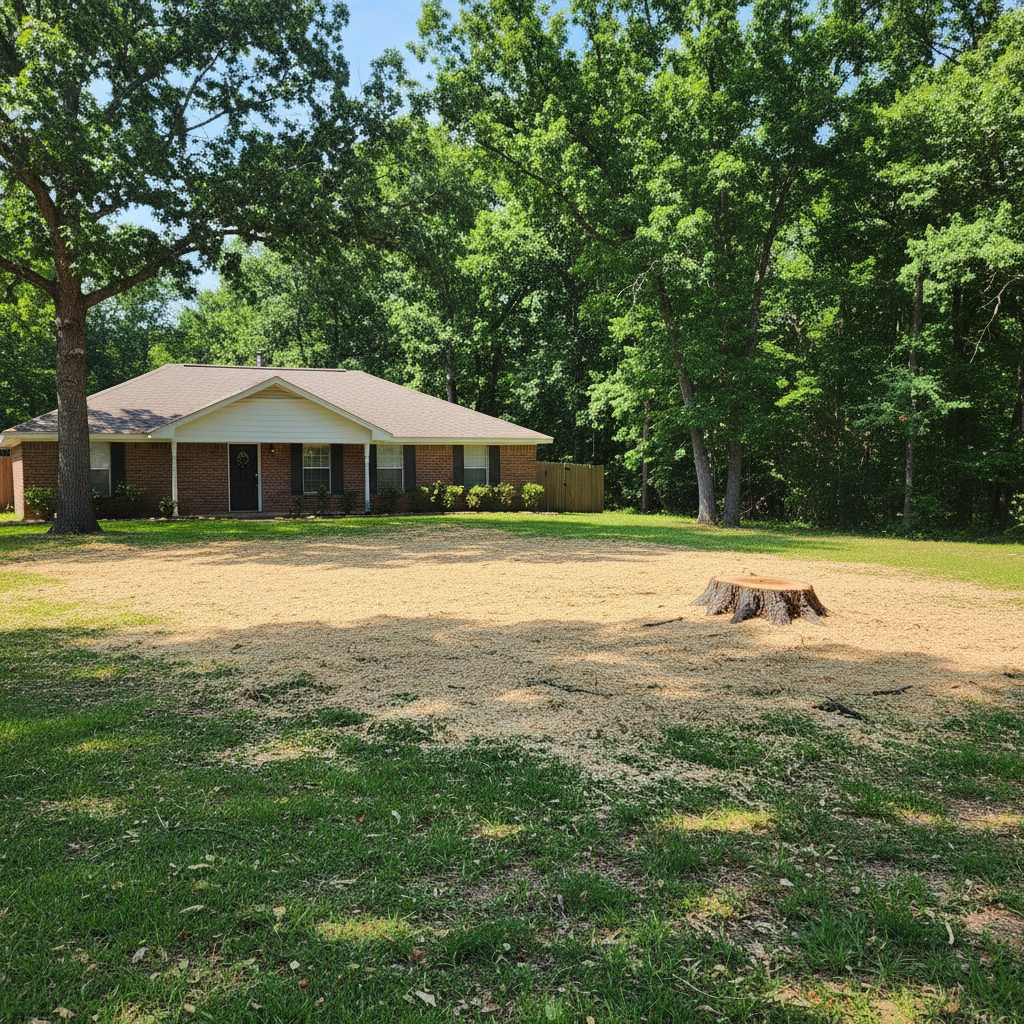
You need a tree cut down, some branches trimmed back, or maybe a stump ground out. Seems pretty straightforward, right? Just call the first number you see. But hold on a minute. Hiring a tree service contractor in Luling isn't quite like grabbing a gallon of milk from the store. You're actually inviting someone onto your property with some serious equipment and sharp tools, and if they don't know what they're doing, you could end up with a damaged house, injured people, or even worse.
I’ve been in this business a long time, and believe me, I've seen it all: the good, the bad, and the downright dangerous. So, here’s what you really need to know to make sure you’re hiring a legitimate, skilled professional.
What to Ask Before They Even Step Foot on Your Property
Before you even think about getting a quote, you should ask some basic questions over the phone. This is a quick way to weed out the amateurs.
- Are you insured? Look, this isn't just a suggestion; it's an absolute must. They need general liability insurance to cover any damage to your property, and workers' compensation insurance if they have employees. If they say no, or start to hem and haw, just hang up. You absolutely do not want to be on the hook if a branch falls through your roof or someone gets hurt. Always ask for proof of insurance, too — don't just take their word for it.
- Do you have references? A good company will be happy to give you names and numbers of past clients. Call them! Ask if the work got done on time, stayed within budget, and if they cleaned up properly afterwards.
- What's your experience with this type of work? If you've got a massive oak hanging over your house, you definitely don't want someone who's only ever trimmed small crepe myrtles. Make sure they're comfortable with the size and scope of your particular job.
- Are you certified? An arborist certification from the ISA (International Society of Arboriculture) isn't always a deal-breaker for a basic tree removal, but it definitely shows a real commitment to professional standards and a good understanding of tree health. For complex pruning or if you've got specific tree health issues, it's a huge plus.
Getting a Quote: What to Look For
Once you've narrowed down your choices, get at least three quotes. Don't just pick the cheapest one, that's a common mistake folks make. You're really looking for value here, not just the lowest price tag.
- Detailed breakdown: A good quote isn't just one big number. It should clearly list everything they plan to do: which trees, what kind of work (trimming, removal, stump grinding), how they'll clean up, and if they're hauling away the debris.
- Equipment: Do they have the right tools for the job? If they show up with just a chainsaw and a pickup truck for a huge tree removal, that's a definite red flag. Proper equipment means both efficiency and safety, you know?
- Cleanup plan: This is a big one. A professional crew will leave your yard cleaner than they found it. Make sure the quote spells out debris removal, raking, and blowing. You don't want to be stuck with a mountain of wood chips.
- Timeline: When can they start? How long will it take? While unexpected issues can pop up, they should still give you a reasonable estimate.
- Payment terms: Don't pay the entire job cost upfront. A reputable company might ask for a small deposit for materials or to hold your spot on their schedule, but the bulk of the payment should be due only after the work is finished to your satisfaction.
Red Flags You Can't Ignore
These are absolute deal-breakers, plain and simple.
- Door-to-door solicitation: Someone knocking on your door out of the blue, claiming they just finished a job down the street and noticed your tree needs work? Hard pass. Legitimate businesses don't usually operate that way, do they?
- Cash-only demands: If they only accept cash — no checks or credit cards — that's a huge sign they're probably not running a legitimate business, or they're trying to avoid taxes.
- No insurance or unwilling to show proof: Like I said before, this is non-negotiable.
- High-pressure sales tactics: